
Advanced Gas Turbine Technology for Power Plants
In the realm of power generation, gas turbines play a pivotal role due to their efficiency, flexibility, and ability to utilize a variety of fuels. In recent years, advancements in gas turbine technology have been particularly notable, with innovations aimed at improving performance, reducing emissions, and enhancing overall reliability. One such advancement that has garnered […]
In the realm of power generation, gas turbines play a pivotal role due to their efficiency, flexibility, and ability to utilize a variety of fuels. In recent years, advancements in gas turbine technology have been particularly notable, with innovations aimed at improving performance, reducing emissions, and enhancing overall reliability. One such advancement that has garnered significant attention is the development of advanced gas turbine combustion systems.
Advanced gas turbine combustion systems incorporate a range of cutting-edge technologies designed to optimize combustion processes, increase fuel efficiency, and minimize environmental impact. These systems typically feature innovative designs for combustion chambers, fuel injection systems, and control mechanisms, allowing for more precise fuel-air mixing and combustion control.
Enhanced Efficiency: Advanced combustion systems leverage techniques such as lean combustion and pre-mixed combustion to achieve higher thermal efficiencies. By optimizing the combustion process, these systems can extract more energy from the fuel, resulting in greater overall efficiency and reduced fuel consumption.
Reduced Emissions: One of the primary goals of advanced combustion systems is to minimize emissions of pollutants such as nitrogen oxides (NOx) and particulate matter. Through the use of advanced fuel injection strategies, combustion staging, and exhaust gas recirculation, these systems can significantly lower emissions, helping power plants comply with stringent environmental regulations.
Improved Flexibility: Modern gas turbines equipped with advanced combustion systems offer greater operational flexibility, allowing them to efficiently adapt to varying load demands and fuel types. This flexibility is particularly valuable in power systems with high penetrations of renewable energy sources, where gas turbines may need to quickly ramp up or down to compensate for fluctuations in renewable generation.
Enhanced Reliability: Advanced combustion systems incorporate robust designs and advanced monitoring and control capabilities to ensure reliable operation over extended periods. By optimizing combustion stability and minimizing component wear, these systems help maximize the uptime and longevity of gas turbine assets.
GE’s DLN Ultra Low NOx Combustion Technology
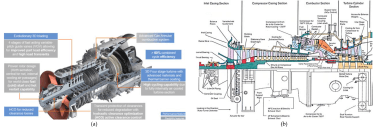
One notable example of advanced gas turbine combustion technology is General Electric’s DLN (Dry Low NOx) Ultra Low NOx combustion system. This technology, implemented in GE’s latest gas turbine models such as the HA and 9HA series, achieves exceptional emissions performance while maintaining high efficiency and reliability.
The DLN Ultra Low NOx combustion system features advanced fuel injection and mixing technologies, including multi-stage fuel nozzles and advanced combustion controls. These innovations enable precise control over the combustion process, allowing for ultra-low emissions of NOx and other pollutants.
According to GE, gas turbines equipped with DLN Ultra Low NOx combustion technology can achieve NOx emissions levels as low as 5 parts per million (ppm), well below regulatory limits in most jurisdictions. Furthermore, these systems maintain high fuel efficiency and operational flexibility, making them well-suited for a wide range of power generation applications.
the DLN Ultra Low NOx combustion technology offers additional benefits beyond emissions reduction:
Fuel Flexibility: Gas turbines equipped with DLN technology can effectively burn a wide range of fuel types, including natural gas, liquid fuels, and alternative fuels such as hydrogen or biogas. This flexibility enhances energy security and resilience by allowing power plants to adapt to changes in fuel availability and pricing.
Fast Start Capability: DLN-equipped gas turbines are designed for rapid start-up and shutdown, enabling operators to respond quickly to changes in electricity demand or market conditions. This fast-start capability is particularly valuable for supporting grid stability and managing intermittent renewable energy resources.
Grid Support Services: Advanced combustion systems like DLN Ultra Low NOx enable gas turbines to provide valuable grid support services, such as frequency regulation, voltage support, and black start capability. These services help enhance the reliability and resilience of the electrical grid, especially during periods of high demand or grid disturbances.
Combined Heat and Power (CHP) Applications: Gas turbines with DLN technology are well-suited for combined heat and power (CHP) applications, where they can simultaneously generate electricity and useful thermal energy for heating or industrial processes. This dual-purpose operation improves overall energy efficiency and reduces greenhouse gas emissions compared to separate heat and power generation systems. Furthermore, the adoption of advanced gas turbine combustion technology like DLN Ultra Low NOx offers further advantages in terms of operational costs, maintenance requirements, and overall system integration:
Operational Cost Savings: The high efficiency and flexibility of gas turbines equipped with DLN technology can lead to significant operational cost savings over the lifetime of the equipment. By maximizing fuel efficiency and minimizing emissions, these systems reduce fuel consumption and associated operating expenses. Additionally, the fast start-up and shutdown capabilities enable operators to participate more effectively in energy markets, optimizing revenue generation and reducing reliance on standby power sources.
Reduced Maintenance Downtime: Advanced combustion systems are engineered for reliability and durability, resulting in reduced maintenance downtime and lower maintenance costs. By optimizing combustion stability and minimizing component wear, DLN technology helps extend the intervals between maintenance inspections and overhauls, maximizing the availability and productivity of gas turbine assets. Furthermore, advanced monitoring and diagnostic capabilities enable proactive maintenance strategies, allowing operators to identify and address potential issues before they escalate into costly failures.
Integration with Renewable Energy: Gas turbines with DLN Ultra Low NOx combustion technology can complement renewable energy sources such as wind and solar power by providing reliable, dispatchable generation capacity. This synergy between gas turbines and renewables supports the integration of higher levels of renewable energy into the grid, helping to stabilize power supply and meet decarbonization goals. Furthermore, gas turbines can serve as backup power sources during periods of low renewable generation or grid instability, ensuring system reliability and resilience.
Enhanced Environmental Performance: In addition to ultra-low NOx emissions, DLN technology contributes to overall environmental sustainability by reducing greenhouse gas emissions and other pollutants associated with fossil fuel combustion. By improving combustion efficiency and minimizing waste heat, gas turbines equipped with advanced combustion systems help mitigate the environmental impact of power generation activities. This environmental stewardship is increasingly important as governments, utilities, and consumers seek cleaner and more sustainable energy solutions. Additionally, the implementation of advanced gas turbine combustion technology like DLN Ultra Low NOx brings forth several supplementary advantages across various aspects of power plant operations and energy systems:
Grid Stability and Resilience: Gas turbines equipped with DLN technology provide essential grid stability services, such as frequency regulation and voltage support. These capabilities help maintain grid reliability, especially in regions with high penetrations of renewable energy sources susceptible to intermittency. In times of grid disturbances or emergencies, gas turbines can rapidly ramp up to provide critical backup power, enhancing overall grid resilience and minimizing the risk of blackouts.
Distributed Generation and Microgrids: DLN-equipped gas turbines are well-suited for distributed generation and microgrid applications, where they can serve as reliable on-site power sources for industrial facilities, commercial complexes, or remote communities. By leveraging advanced combustion technology, these decentralized power generation systems enhance energy independence, reduce transmission losses, and support local energy resilience, particularly in areas prone to grid outages or disruptions.
Energy Storage Integration: Gas turbines with DLN Ultra Low NOx combustion technology can complement energy storage systems by providing flexible, dispatchable power to support grid balancing and optimize energy arbitrage. By pairing gas turbines with batteries or other energy storage technologies, operators can capitalize on the synergies between dispatchable generation and energy storage, enabling more efficient utilization of renewable energy resources and enhancing overall system flexibility.
Hydrogen Compatibility: As the energy transition accelerates towards decarbonization, gas turbines with DLN technology are increasingly being adapted to utilize hydrogen-rich fuels as part of hydrogen-based energy systems. By leveraging their advanced combustion capabilities, these turbines can efficiently combust hydrogen blends or pure hydrogen, contributing to the decarbonization of power generation and facilitating the transition to a hydrogen economy. This hydrogen compatibility aligns with global efforts to reduce carbon emissions and mitigate climate change by transitioning to low-carbon energy sources.
In summary, the DLN Ultra Low NOx combustion technology represents a significant advancement in gas turbine technology, offering not only ultra-low emissions but also enhanced efficiency, flexibility, and grid support capabilities. As power plants around the world seek to reduce their environmental footprint and improve operational performance, advanced combustion systems like DLN are poised to play a crucial role in the transition to a more sustainable energy future. Overall, the adoption of advanced gas turbine combustion technology like DLN Ultra Low NOx offers a comprehensive suite of benefits spanning environmental, economic, and operational dimensions. As the energy industry continues to evolve towards a more sustainable and resilient future, advanced combustion systems will play a crucial role in supporting the transition to cleaner, more efficient power generation technologies. In conclusion, the adoption of advanced gas turbine combustion technology like DLN Ultra Low NOx offers additional benefits beyond emissions reduction and operational efficiency, encompassing grid stability, distributed generation, energy storage integration, and hydrogen compatibility. By embracing these supplementary advantages, power plant operators and energy system stakeholders can enhance the resilience, sustainability, and flexibility of their energy infrastructure, paving the way for a cleaner, more resilient energy future.
References:
General Electric, “DLN2.6+ with Ultra Low NOx Combustion Technology,” https://www.ge.com/power/gas/gas-turbines/dln2-6
GE Power, “GE’s HA Gas Turbine Wins Orders to Power 9 Gigawatts of Electricity in the U.S.,” https://www.ge.com/news/press-releases/ge%E2%80%99s-ha-gas-turbine-wins-orders-power-9-gigawatts-electricity-us
General Electric’s official website and documentation:
General Electric Power: https://www.ge.com/power/
Gas Turbines Overview: https://www.ge.com/power/gas/gas-turbines
Technical papers and research articles:
“DLN2.6+ with Ultra Low NOx Combustion Technology” – General Electric: https://www.ge.com/power/gas/gas-turbines/dln2-6
“GE’s HA Gas Turbine Wins Orders to Power 9 Gigawatts of Electricity in the U.S.” – GE Power: https://www.ge.com/news/press-releases/ge%E2%80%99s-ha-gas-turbine-wins-orders-power-9-gigawatts-electricity-us
“Advancements in Combustion Technology for Gas Turbines” – Journal of Engineering for Gas Turbines and Power: Link to a relevant article from ASME
Reports and industry publications:
“Gas Turbine World Handbook” – Gas Turbine World: Link to the handbook
“Gas Turbine Combustion: Alternative Fuels and Emissions” – International Gas Turbine Institute: Link to a relevant publication from ASME
This article is a part of the class “751447 SEM IN CUR ECON PROB” supervised by
Asst. Prof. Napon Hongsakulvasu Faculty of Economics,
Chiang Mai University
This article was written by Ditsanatda Chotloesak 631615021
