
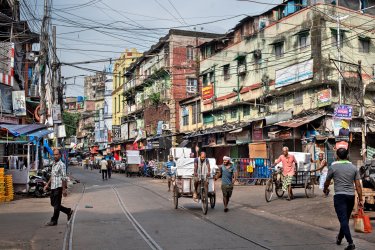
Why India won’t be the next China?
picture from https://www.nytimes.com/2021/08/31/business/economy/india-economy-covid.html
India, the fifth largest economy in the world and soon to be the most populous country on Earth, boasts a young and productive workforce, setting it apart from nations grappling with aging populations. Leveraging its manpower, India has emerged as a significant economic force on the global stage. Recent years have seen India capitalize on manufacturing opportunities, challenging China’s dominance in this sector. With ambitious goals like achieving a $5 trillion economy by 2025, India’s potential as an economic superpower is evident.
The trajectory of India’s economy underwent a significant shift in the early 1990s with the adoption of liberalization policies, moving away from the Soviet-style centrally planned economy. The removal of protectionist policies and bureaucratic hurdles paved the way for economic growth. India’s large English-speaking population made it a prime destination for outsourcing services, particularly in industries like call centers, accounting, engineering, design, and legal services.
However, India’s economic progress is not without challenges. Despite strides in liberalization, regulatory complexities persist, hindering the ease of doing business. Over-regulation in some sectors, combined with under-regulation in others, creates a precarious environment for investors. The informal economy, although shrinking, remains a significant portion of India’s economic landscape, posing challenges for taxation and formalization.
To fully realize its economic potential, India must address regulatory inconsistencies, improve stability and confidence for investors, and bridge the gap between the formal and informal sectors. Success lies in fostering an environment conducive to business growth while empowering the workforce to participate meaningfully in the economy.
In summary, India’s journey towards economic superpower status is marked by impressive growth, driven by its burgeoning workforce and liberalization policies. While challenges persist, India’s potential remains boundless, contingent upon effective governance and strategic reforms. As India continues its economic ascent, it stands poised to make a significant impact on the global economic landscape.
Reference :
